
When starting a small business, many entrepreneurs choose to stay lean in the early days. Before building consistent cash flow, it often makes sense to work with the resources you have and invest in only the essentials.
That might mean creating your own logo and website, choosing a premade brand kit or website template, or working with an inexperienced designer rather than a professional. These solutions can be helpful in the beginning, especially while you’re testing your ideas, refining your offers, and figuring out who you serve best.
But as your business grows, these scrappy brand elements and website pages may begin to feel less like a helpful foundation and more like something holding you back.
The visuals may no longer reflect the quality of your work. Your messaging may speak to the version of your business you were building several years ago. Or your website may be making it harder for the right people to understand what you offer and take the next step.
So how do you know when you’ve outgrown your brand and website? Here are seven signs it may be time for a refresh.
In the early days of a business, your offerings, niche, and expertise are often still taking shape. It’s completely normal to refine your services, change direction, and gain a clearer understanding of the clients you most want to serve.
But when your business evolves, your brand needs to evolve with it.
Your logo, website, color palette, and messaging may have been good enough at one time, but no longer speak to the audience you want to attract today.
Signs your business has outgrown its original brand may include:
Your brand does not need to communicate every change in your business—but it should accurately represent where your business is today and where you’re headed next.
It’s possible to include a great deal of information on your website and still leave visitors unsure whether you’re the right person to help them.
This often happens when a website focuses primarily on the business owner instead of the customer. Your experience, credentials, and process matter, but prospective clients also need to understand what’s in it for them.
What problem are you helping them solve? How will your service make their life, work, or business better? Why should they choose you instead of someone else?
Your website should make the answers to these questions clear.
It should also include:
If people are visiting your website but not taking the next step, the problem may not be a lack of information. It may be a lack of clarity, connection, or direction.
You know that the work you offer is thoughtful and high quality, but your website doesn’t reflect that.
Maybe the design feels outdated. Maybe the copy is unclear or no longer accurate. Maybe the site is difficult to use on mobile, or the visuals feel disconnected from the experience you provide your clients.
If you find yourself avoiding your website—or sending people to your social media instead—it may be a sign that your online presence is no longer supporting your business.
Your website does not need to be flashy or trend-driven. It should feel credible, intentional, and aligned with the quality of your work. When potential clients visit, they should get a sense of who you are, what you do, and why your work is valuable.
A strong website can help build trust before you ever have a conversation with someone.
Your brand should feel consistent and cohesive across every place people encounter your business, including:
This does not mean every piece of content needs to look exactly the same. But your visual identity, tone of voice, and overall impression should feel connected.
If your business uses one logo on your website, different colors on social media, inconsistent fonts in your documents, and a completely different style in your packaging, the overall effect can feel confusing or unpolished.
Inconsistency can make it harder for people to recognize your business—and may make your business feel less established than it really is.
A cohesive brand creates familiarity and helps your audience build trust over time.
Your brand should be consistent and cohesive across your website, Instagram and other social media pages, business cards and print materials, packaging design, email marketing, and every other place that people encounter your business. If it's a hodgepodge, your ideal customer will either be confused, or simply not compelled enough to engage.
Are the people finding you your dream clients—or are you regularly receiving inquiries from people who are not a good fit?
Your brand and website play an important role in shaping who is drawn to your business. They should speak directly to the hopes, needs, preferences, and priorities of your ideal audience.
If your messaging is too broad, your visuals feel generic, or your website does not clearly explain the value of your offer, you may attract people who are looking for something different from what you provide.
A more intentional brand can help you communicate:
The goal is not to appeal to everyone. The goal is to help the right people recognize that your business was created with them in mind.
Are the people finding you your dream clients and aligned customers? Your brand and website should appeal directly to the dreams, hopes, and desires of your ideal audience. It should clearly and directly solve a problem or remedy a pain point for them.
As your business grows, your website needs to grow with it.
If you’ve been adding new services, raising your prices, growing your team, expanding into new markets, or making more sales, it’s worth considering whether your current website can support this next stage.
An outdated or limited website may make it difficult to:
Your website should not simply document where your business has been. It should support where your business is going.
That may mean restructuring your site, adding new pages, improving your messaging, updating your visual identity, or creating a more flexible foundation for future growth.
Sometimes, you do not need a dramatic problem to justify a brand or website refresh. You may simply feel ready for your business to look and feel more like the future you’re building.
The right time for a refresh is often before a major transition, such as:
Refreshing your brand and website before these changes can give you a stronger foundation and help you step into the next stage with more clarity and confidence.
You do not have to wait until everything feels broken. Sometimes, the desire for a more intentional and aligned brand is reason enough.
Your brand and website should feel like a true reflection of the business you are building—not a leftover version of where you started.
A refresh does not necessarily mean changing everything. Sometimes, it means refining what is already working, clarifying your message, creating more consistency, and bringing your visual identity into alignment with the quality and direction of your business.
If your current branding or website no longer feels like an accurate representation of your work, it may be time for a more intentional foundation.
I’d love to help you create a brand and website that feel aligned with your business and speak clearly to the clients you most want to reach. Explore my branding and web design services, or get in touch to start a conversation.
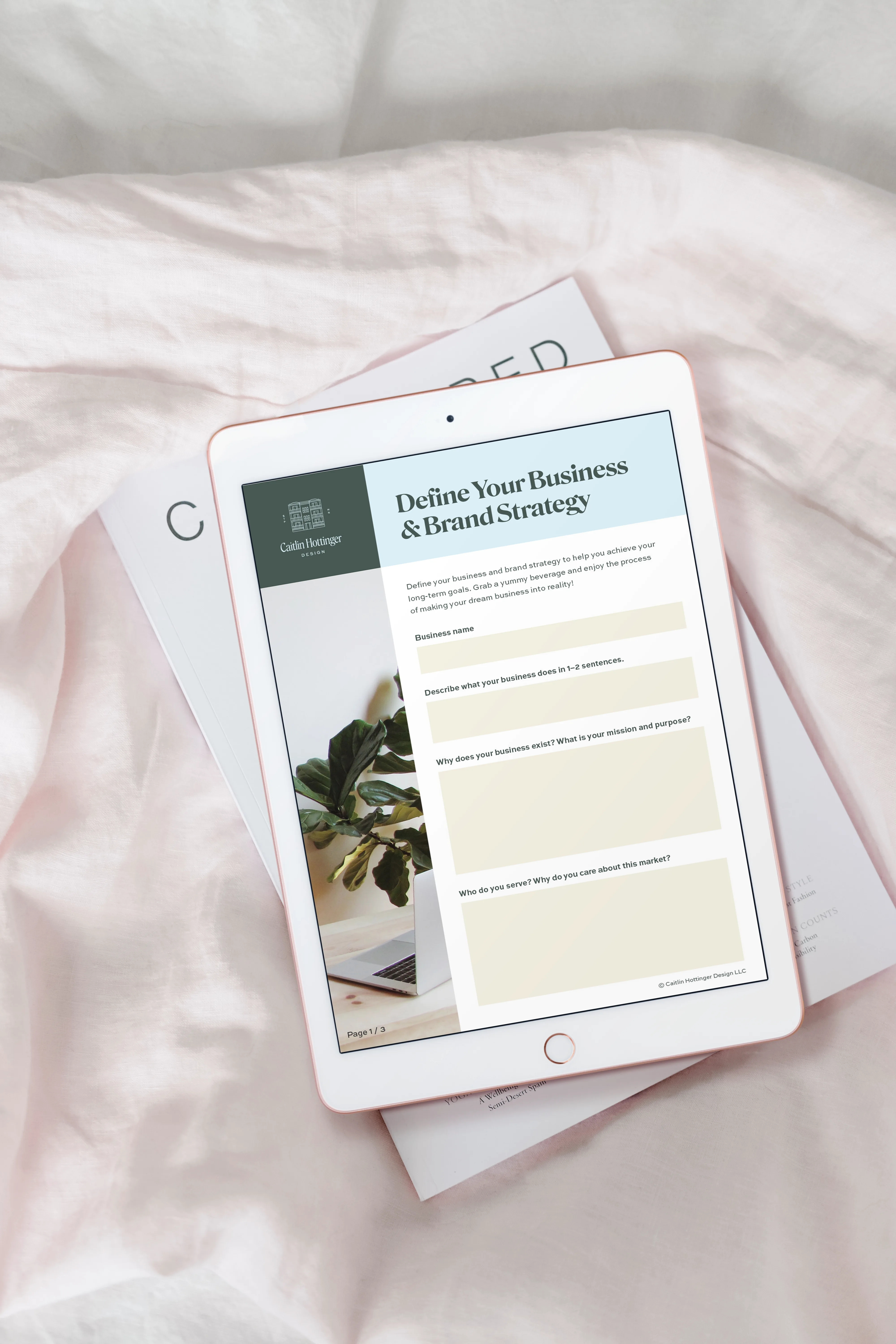
Download a free worksheet to guide you through the initial stages of building your business and brand strategy.